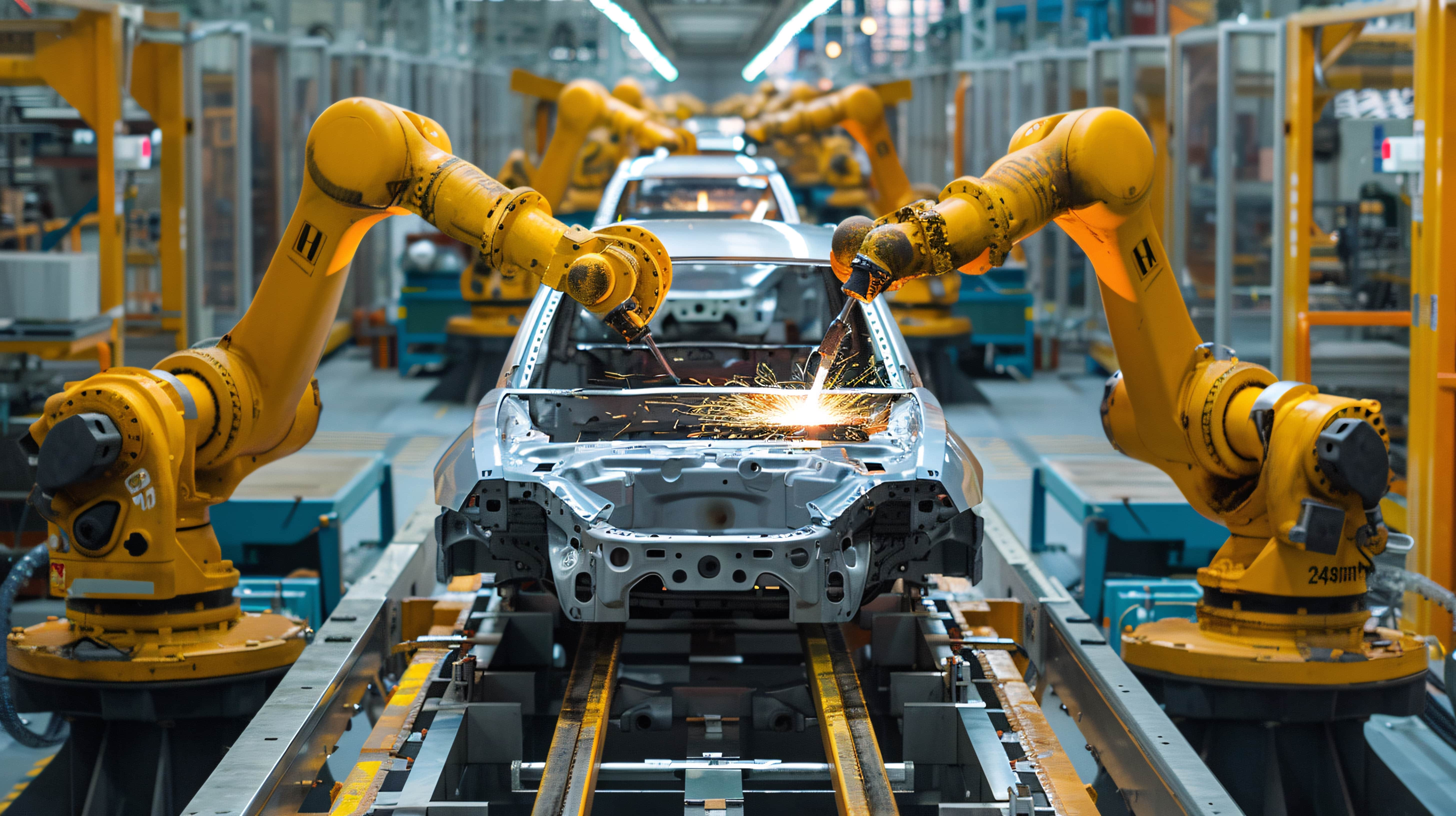

Yes AI is spreading like wildfire. It is revolutionizing all industries including manufacturing. It offers solutions that enhance efficiency, reduce costs, and drive innovation - through Demand prediction, real-time quality control, smart automation, and predictive maintenance. The list shows how AI can cut costs, reduce downtime, and surpass various roadblocks in manufacturing processes.
A recent survey by Deloitte revealed that over 80% of manufacturing professionals reported that labor turnover had disrupted production in 2024. This disruption is anticipated to persist, potentially leading to delays and increased costs throughout the value chain in 2025.
Artificial Intelligence (AI) can help us take great strides here - reducing cost and enhancing efficiency. Research shows that the global AI in the manufacturing market is poised to be valued at $20.8 billion by 2028. Let's see some most practical uses that are already being implemented:
1. Accurate Demand Forecasting - aiding Strategic Decisions

Accurate demand forecasting is crucial for manufacturers to balance production and inventory levels. Overproduction leads to excess inventory and increased costs, while underproduction results in stockouts and lost sales. AI-driven machine learning algorithms analyze vast amounts of historical data, including seasonal trends, past sales, and buying patterns, to predict future product demand with high accuracy. These models also incorporate external factors such as market trends and social media sentiment, enabling manufacturers to adjust production plans in real-time in response to sudden market fluctuations or supply chain disruptions. Implementing AI in demand forecasting leads to better resource management, improved environmental sustainability, and more efficient operations.
2. Supply Chain Optimization for Revenue Management - powered by AI

Supply chain optimization is a critical aspect of manufacturing that directly impacts revenue management. AI enhances supply chain operations by providing real-time insights into various factors such as demand patterns, inventory levels, and logistics. By analyzing this data, AI systems can predict demand fluctuations, optimize inventory management, and streamline logistics, leading to reduced operational costs and improved customer satisfaction. For instance, AI can automate the generation of purchase orders or replenishment requests based on demand forecasts and predefined inventory policies, ensuring that manufacturers maintain optimal stock levels without overproduction.
3. Automated Quality Inspection & Defect Analysis

Maintaining high-quality standards is essential in manufacturing, and AI plays a significant role in enhancing quality control processes. By integrating AI with computer vision, manufacturers can detect product defects in real-time with high accuracy. For example, companies like Foxconn have implemented AI-powered computer vision systems to identify product errors during the manufacturing process, resulting in a 30% reduction in product defects. These systems can inspect products for defects more accurately and consistently than human inspectors, ensuring high standards are maintained.
4. Predictive Maintenance for Equipment and Factory Automation

Mining, metals, and other heavy industrial companies lose 23 hours per month to machine failures, costing several millions of dollars.
Unplanned equipment downtime can lead to significant financial losses in manufacturing. AI addresses this challenge through predictive maintenance, which involves analyzing data from various sources such as IoT sensors, PLCs, and ERPs to assess machine performance parameters. By monitoring these parameters, AI systems can predict potential equipment failures before they occur, allowing for timely maintenance interventions. This approach minimizes unplanned outages, reduces maintenance costs, and extends the lifespan of machinery. For instance, AI algorithms can study machine usage data to detect early signs of wear and tear, enabling manufacturers to schedule repairs in advance and minimize downtime.
5. Product Design and Development for Valuable Insights

AI enhances product design and development by enabling manufacturers to explore innovative configurations that may not be evident through traditional methods. Generative AI allows for the exploration of various design possibilities, optimizing product performance and material usage. AI-driven simulation tools can virtually test these designs under different conditions, reducing the need for physical prototypes and accelerating the development process. This approach not only shortens time-to-market but also results in products that are optimized for performance and cost-effectiveness.
Real-world instances of AI adoption by Industry Leaders in Manufacturing
Several leading manufacturers have successfully implemented AI to enhance their operations:
- Siemens: Utilizes AI for predictive maintenance and process optimization, leading to increased efficiency and reduced downtime.

- BMW: Employs AI-driven robots in assembly lines to improve precision and reduce production time.
- Tesla: Integrates AI in its manufacturing processes for quality control and supply chain optimization.

- Airbus: Uses AI to optimize design and production processes, resulting in improved aircraft performance and reduced manufacturing costs.
AI-integrated Future-Ready Manufacturing

The integration of AI in manufacturing is not just a trend but a necessity for staying competitive in today's dynamic market. By adopting AI technologies, manufacturers can enhance operational efficiency, reduce costs, and drive innovation. As the industry continues to evolve, embracing AI will be crucial for meeting the demands of the ever-changing manufacturing landscape.
In conclusion, AI offers transformative potential for the manufacturing industry, providing practical solutions that address key challenges and pave the way for a more efficient and innovative future. Want to make a leap in your manufacturing process? Let's do it!